
Preventive Screening Services
At Advance Diagostics & Imaging, we believe that early detection saves lives. That’s why we offer a full range of preventive health screenings designed to identify risks before they become serious conditions. Preventive screenings detect diseases before symptoms appear and reduce the risk of life-threatening conditions.
Our Screening Services Include:
- Cardiac Screening – EKG, Echocardiogram, and Cardiac Monitoring to detect heart disease early.
- Vascular Screening – Carotid, abdominal aorta, and peripheral vascular ultrasounds to assess risk for stroke and aneurysm.
- Bone Health Screening – DEXA scans for early detection of osteoporosis and fracture risk
- Pulmonary Function Screening – Breathing assessments to detect early signs of lung disease

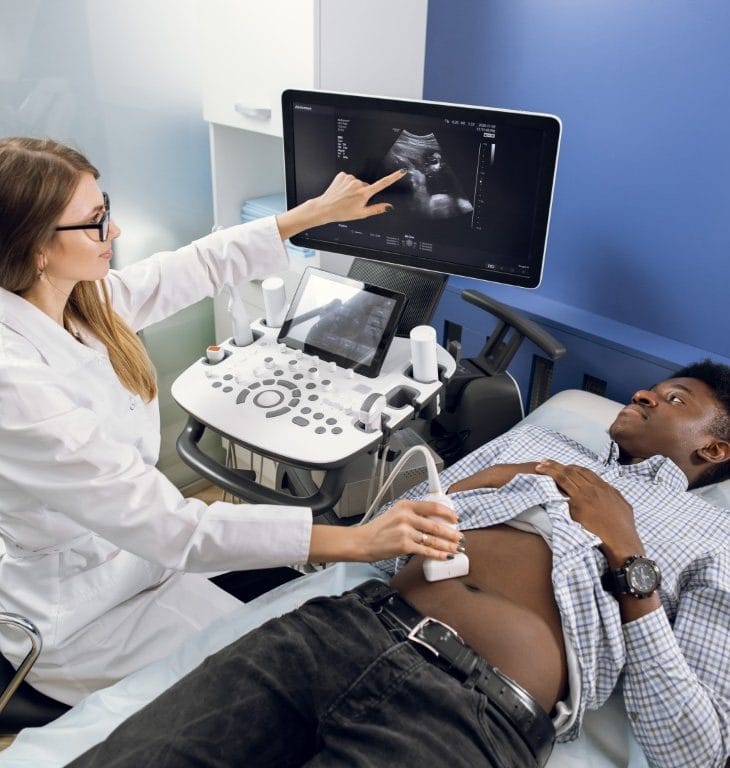
Most Commonly Ordered Preventive Screening Tests
- Cardiac Screening (EKG, Echocardiogram, Cardiac Monitoring)
- Vascular Screening (Carotid, Abdominal Aorta, Peripheral Vascular Ultrasounds)
- Bone Health Screening (DEXA Scan)
- Pulmonary Function Screening
- Breast & Cancer Screening (Koning Breast CT, Breast Ultrasound, Digital Mammography, Breast MRI, Stereotactic Biopsy)
Preventive Screening Services are used to help detect and diagnose:
- Heart Disease & Arrhythmias
- Stroke & Aneurysm Risk
- Osteoporosis & Bone Loss
- Chronic Lung Disease (Asthma, COPD)
- Breast Cancer & Other Tumors
- Early-Stage Organ Damage
- Overall Health Risks Before Symptoms Appear
Things to Consider Before Preventive Screenings
Before undergoing preventive screenings, you may be asked to follow certain preparation guidelines depending on the type of test. For example, abdominal and vascular screenings often require fasting for several hours to ensure accurate results, while bone and cardiac screenings generally need no special preparation. It is important to wear comfortable clothing that allows easy access to the area being examined. You should also inform your physician about any current medications or ongoing health conditions, as these may influence test results. Most preventive screenings are quick, safe, and non-invasive, with minimal discomfort, providing you with valuable insights into your overall health.
Frequently Asked Questions
Who should undergo preventive screenings?
Yes. Anyone above the age of 30, or those with family history of heart disease, cancer, bone loss, or lung disease, should consider regular screenings.
How often should I get these screenings?
It depends on your health profile. Your physician may recommend annual or bi-annual screenings.